Coursework_California College of the Arts_MArch_Fall 2016
Instructors_Adam Marcus, Margaret Ikeda, Evan Jones
*AIA/ACSA COTE Top Ten 2017
*CCA Fall 2016 Jury Prize
*CCA Year End Show 2017 Jury Pick

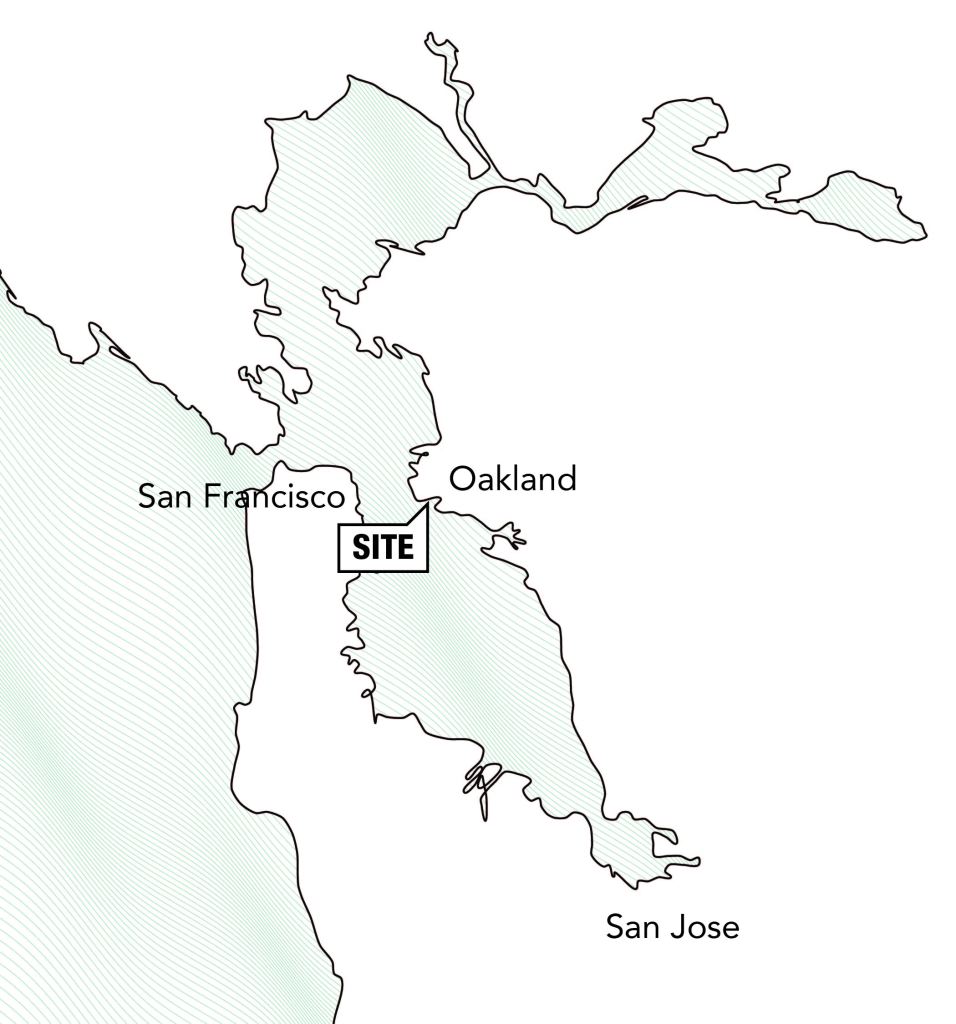
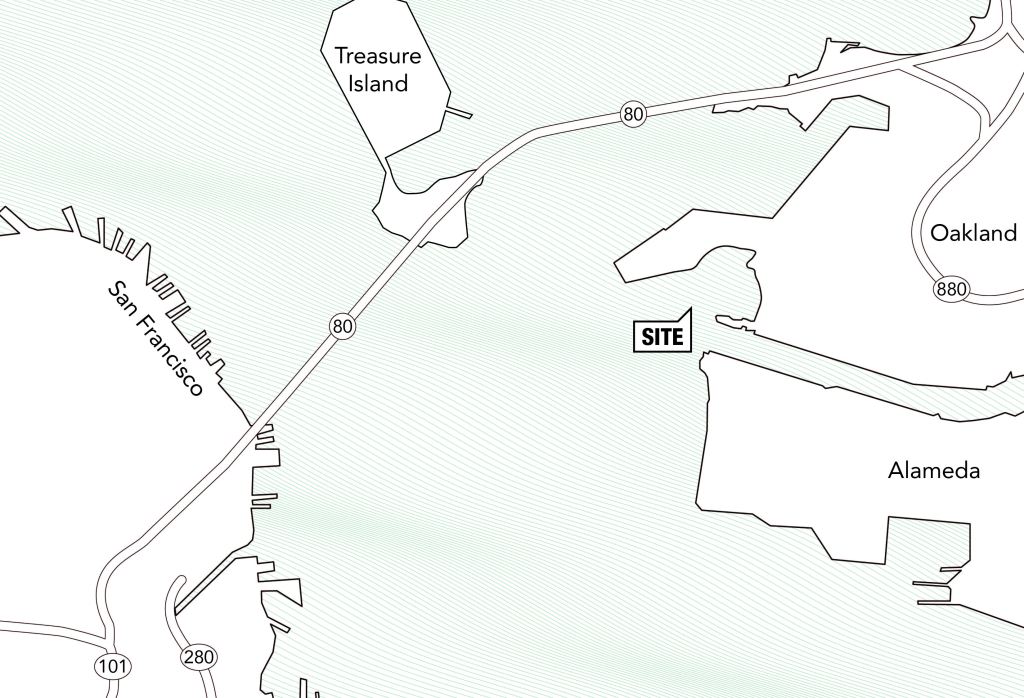
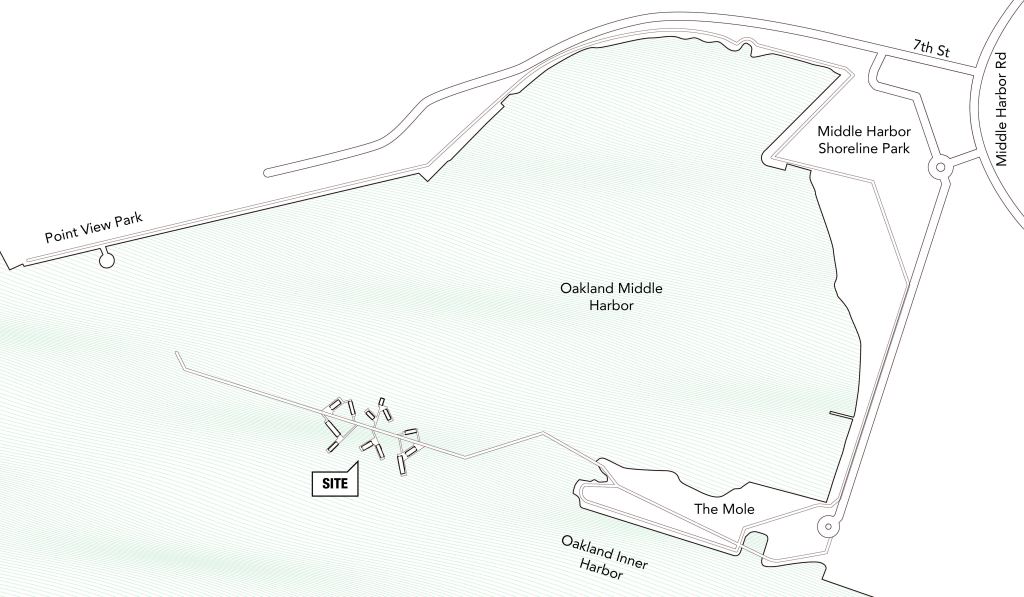
The 2016 Buoyant Ecologies Integrated Building Design studio explores architectural opportunities at the edge: where the city meets the San Francisco Bay. As cities across the globe attempt to adapt to the uncertain implications of climate change, there is little doubt that rising ocean levels will have a tremendous impact on coastal cities worldwide, including those that line the San Francisco Bay.


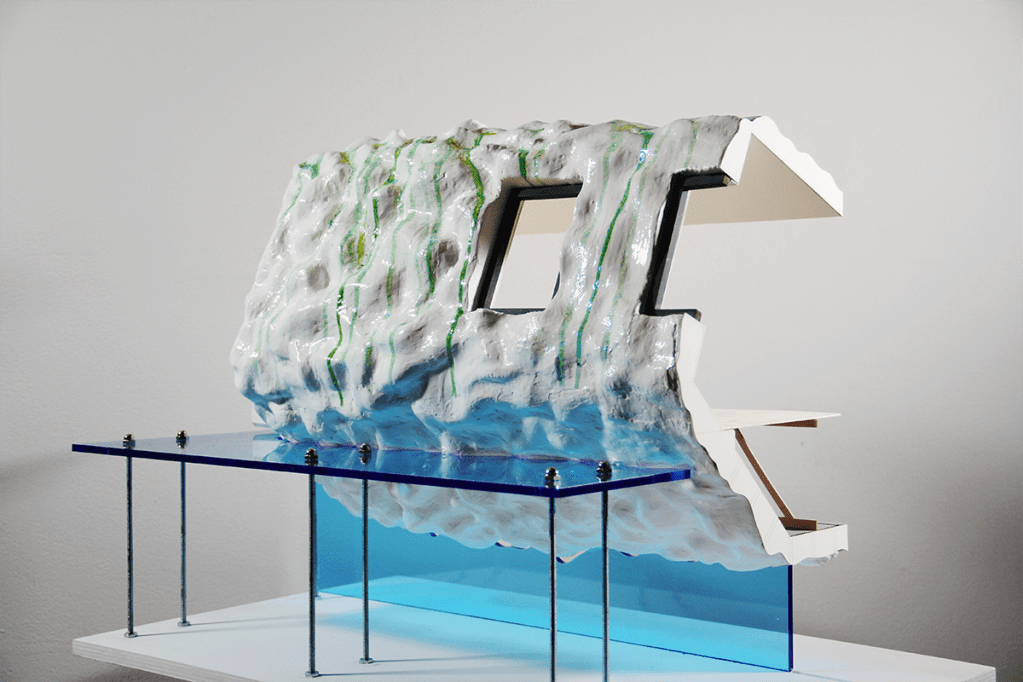
SubOrdinate begins by recognizing the relationship between nature and human interventions to produce resilient structures. These strategies often underestimate the power of nature and, consequently, the architecture succumbs to natural effects. Inversely, the presence of human intervention through architecture has altered naturally occurring systems.
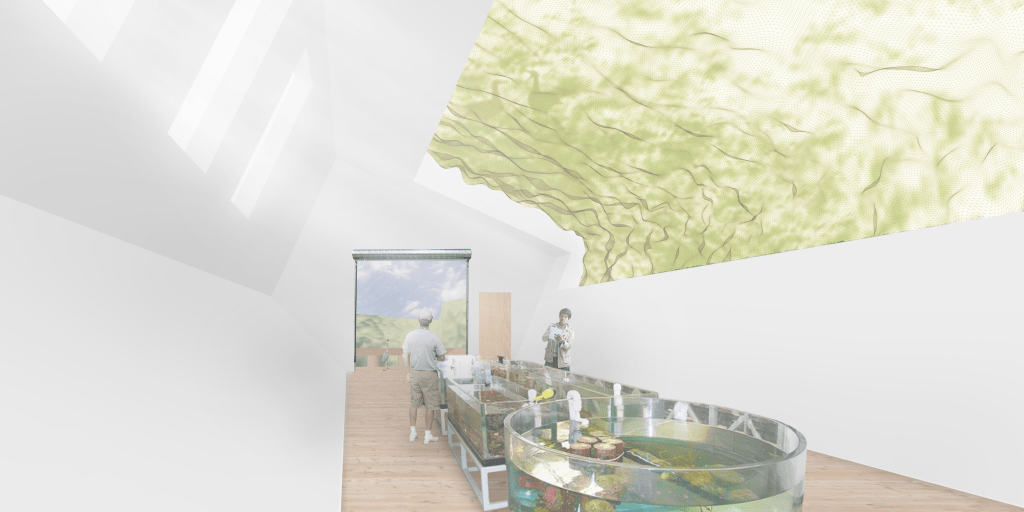
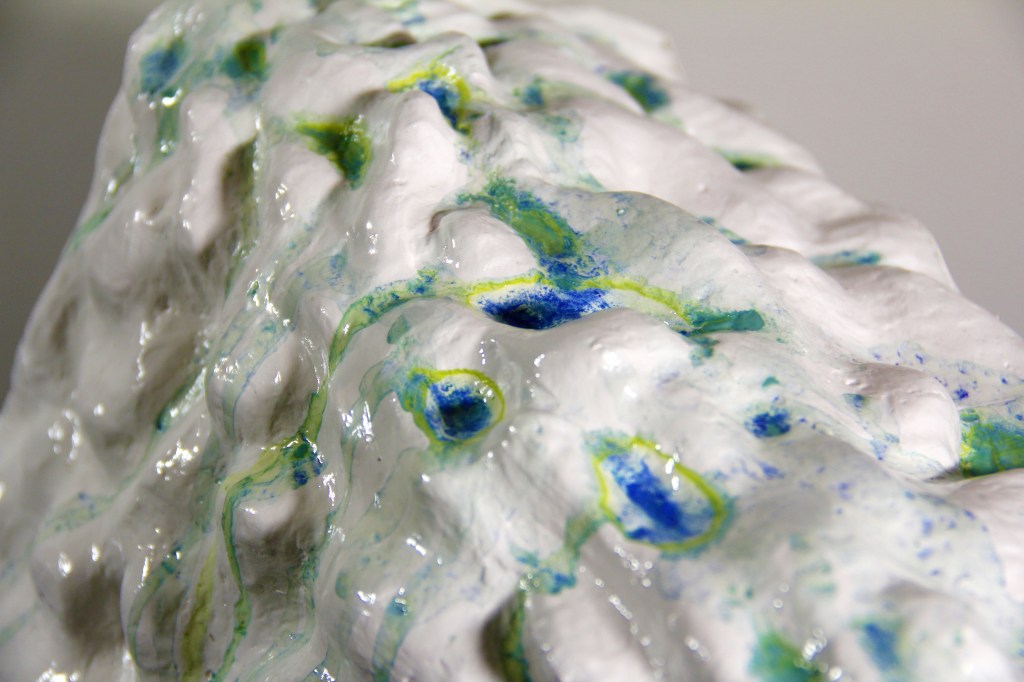
This recognition of the harsh yet symbiotic relationship of human intervention upon primal natures drove extensive research into ecologically-optimized architectural substrates that are conducive to habitating marine life. By embracing architecture’s authority over nature, the project can insert itself into the landscape as a catalyst for provoking nature’s authority over architecture; the result of this paradox being an event in the Picturesque as the built folly recedes into the whole of the scene.
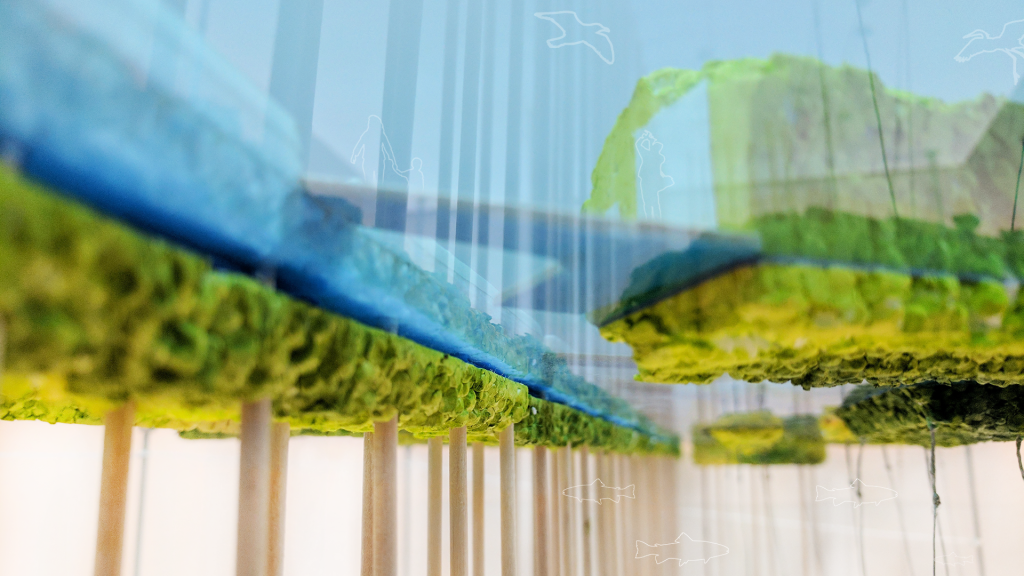
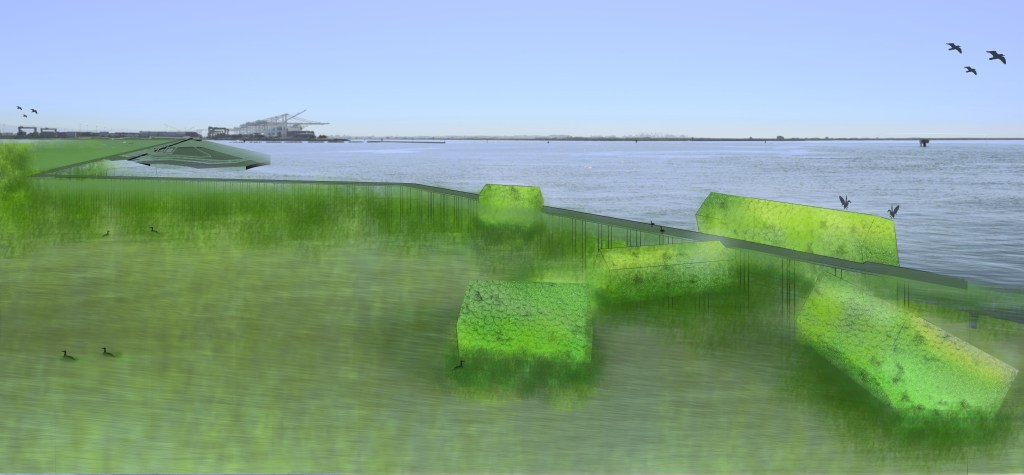
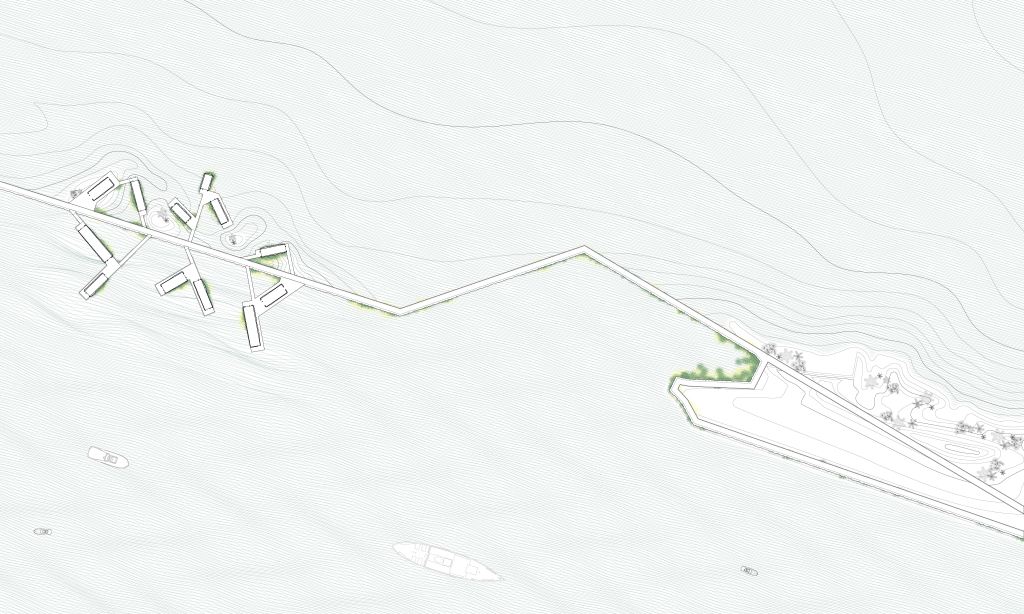
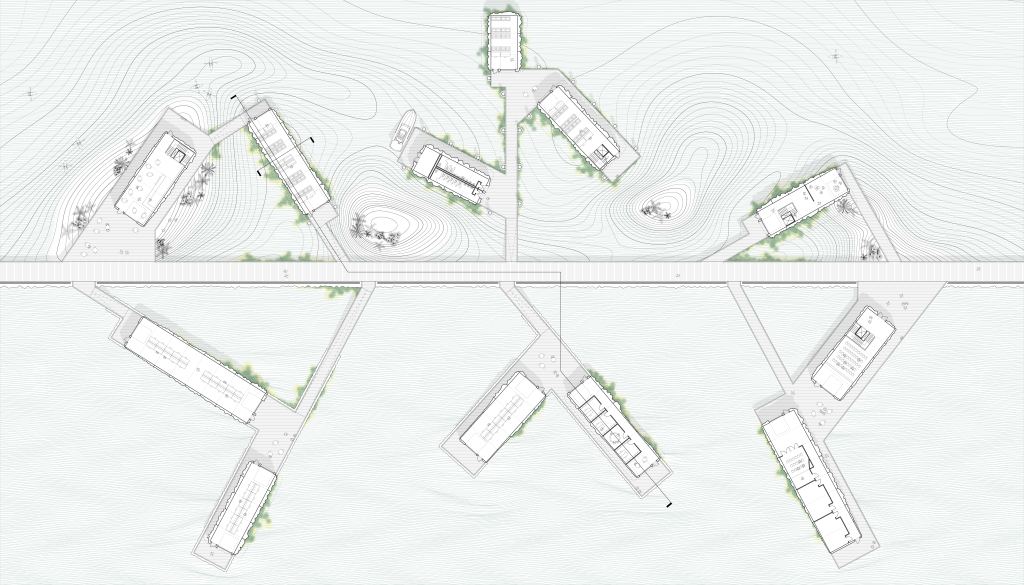
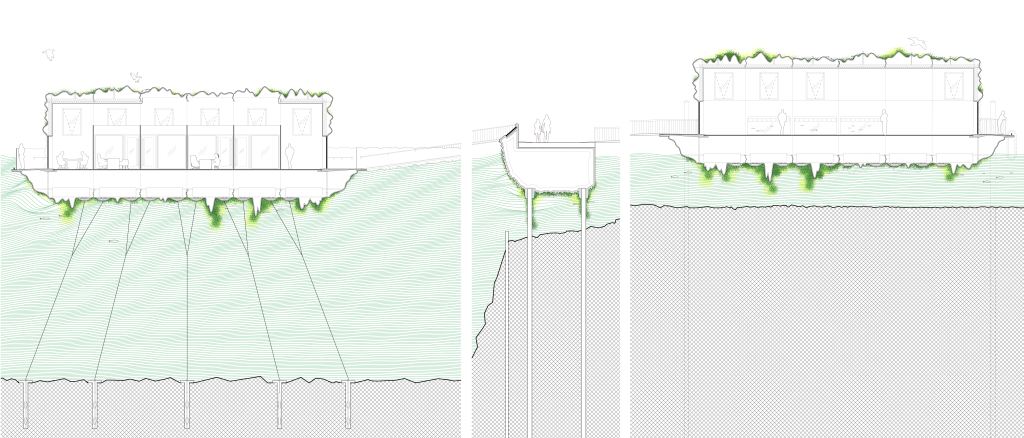
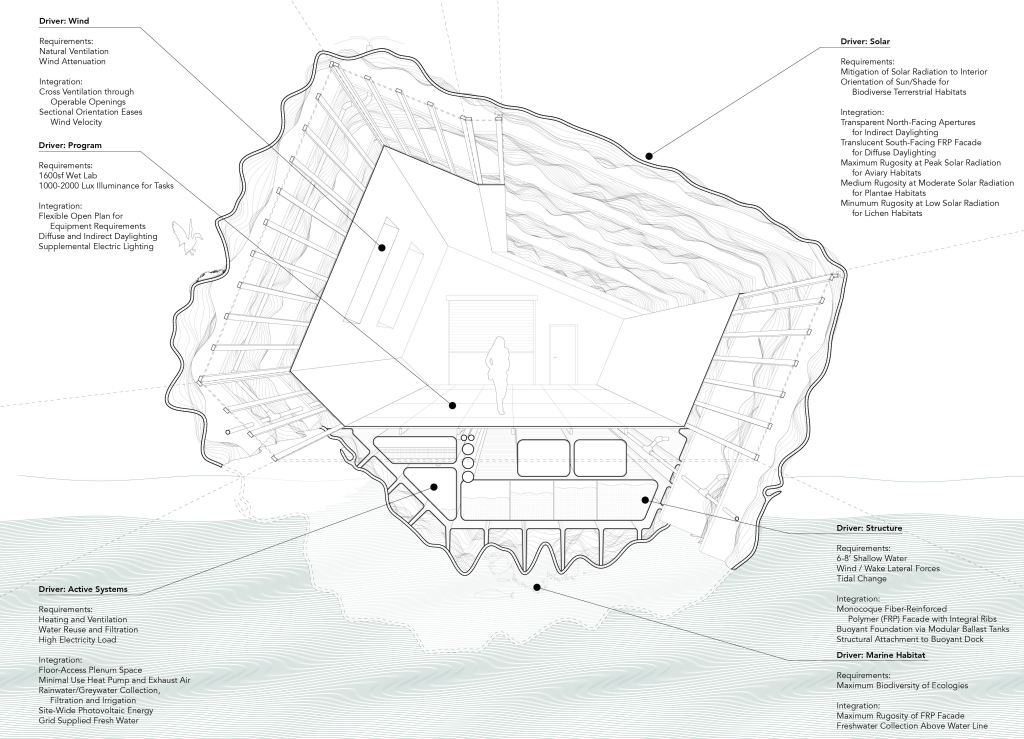
The project’s formal organization consists of vernacular sheds aggregated atop the water to define micro environments intended to encourage the growth of marine life. The structures orient vertically with no aparent concern for “up” or “down” as benthic communities inhabitate the submerged underbelly surfaces as a new ocean floor and horizontally for wave attenuation and shading to calm the environmental forces within the site. The architecture/nature duality is also supported techtonically via alternatives to ground-based building construction. Instead of traditional post-and-beam framing, SubOrdinate is built with fiber-reinforced polymer substrates — a highly calibrated monolithic material comonly used in boat construction. The resulting liminal structure anchors itself far from the “waterfront typology” of concrete retaining walls and provokes a new architectural language of aquatic resiliency.
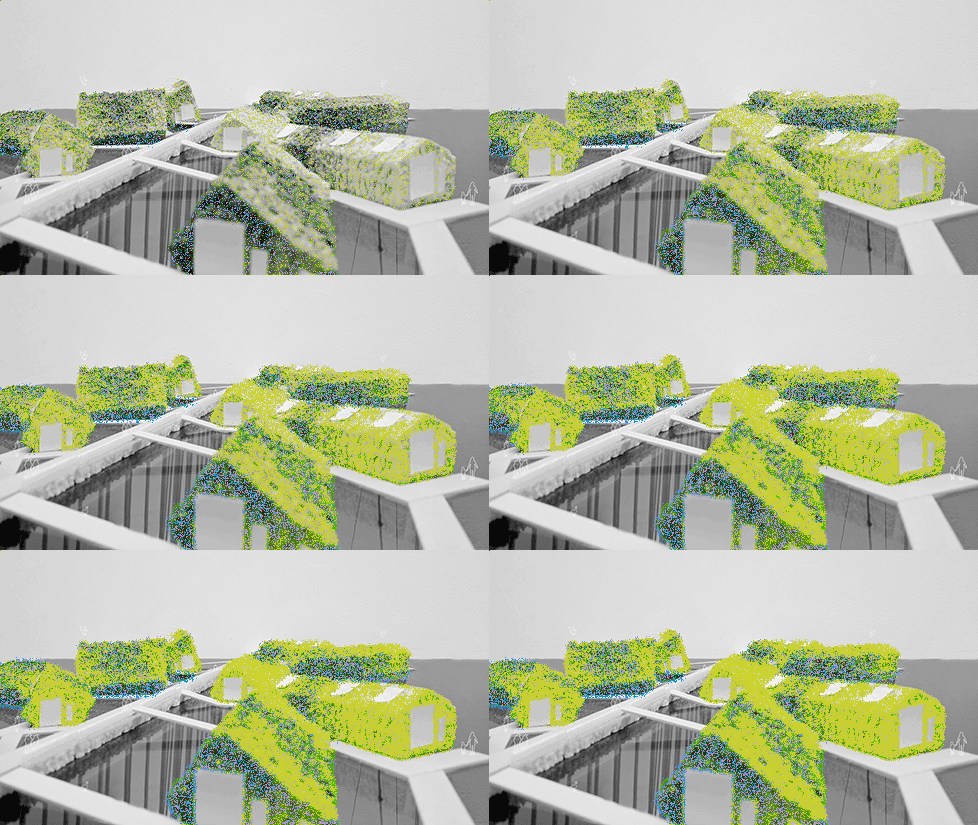
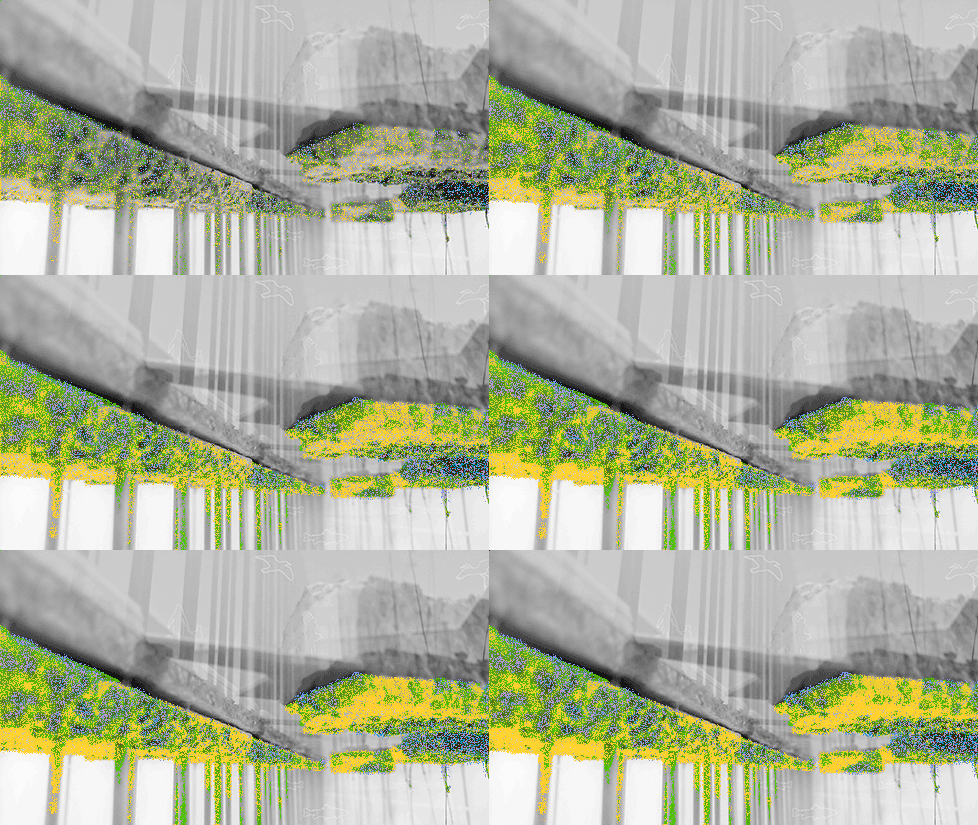
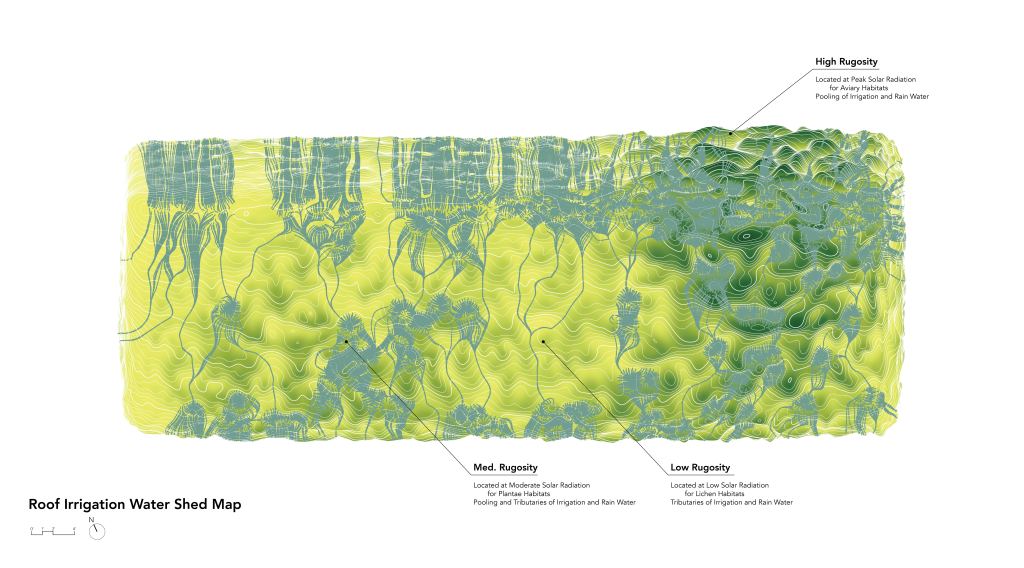
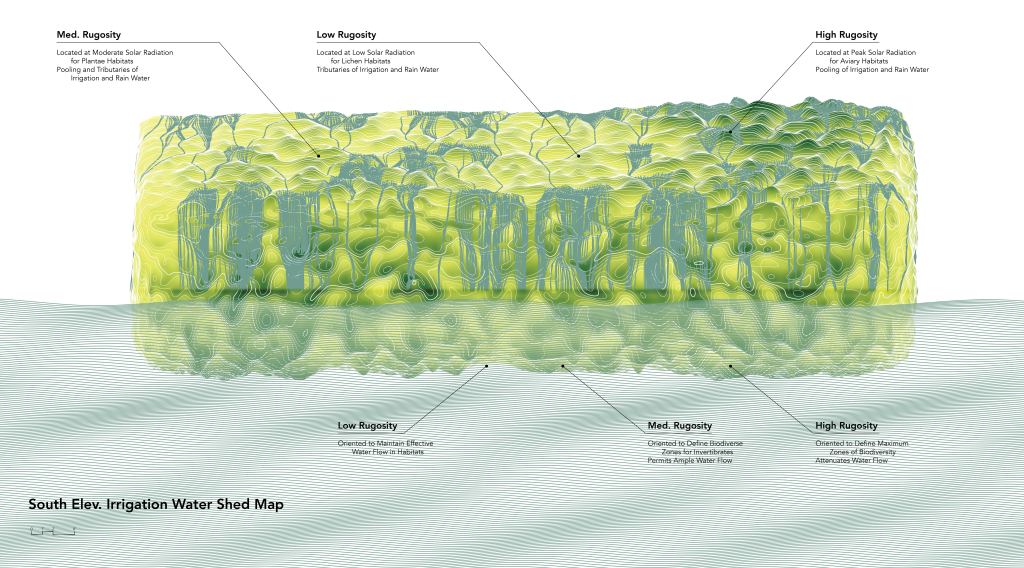
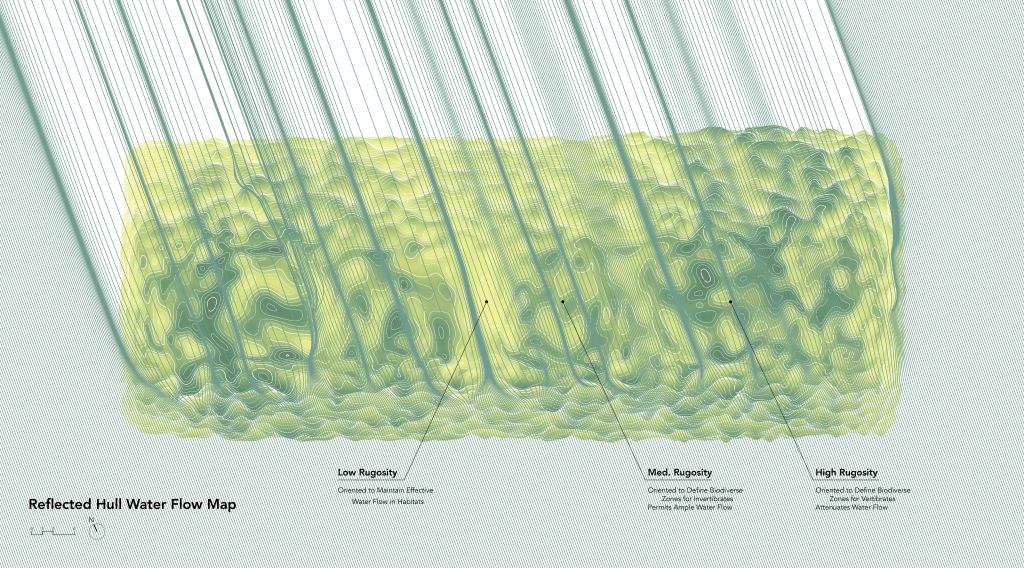


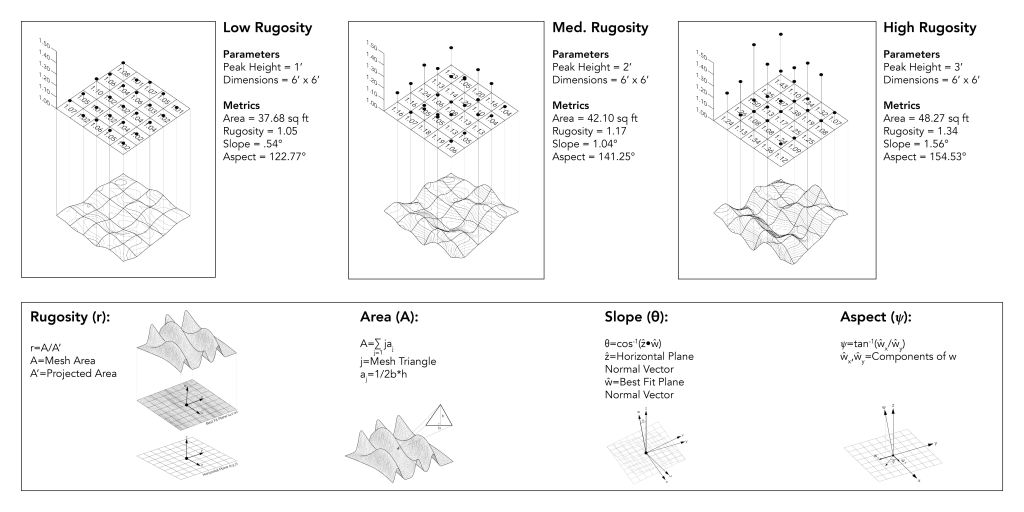 By accepting the intense realities existing between these conditions, this project redefines the line of contention and proposes the question — what is the symbiotic relationship between architecture and nature? As the globe is faced with the real issue of climate change and sea level rise, SubOrdinate departs from traditionally patient resilient strategies, and instead, presents micro and macro opportunities that lie within the frictioned relationship between architecture and nature.
 Taylor Metcalf Online